NEWS & ARTICLES
MARITIME INNOVATION | RIMPAC 2026
October 14, 2026
Federal Fleet Services
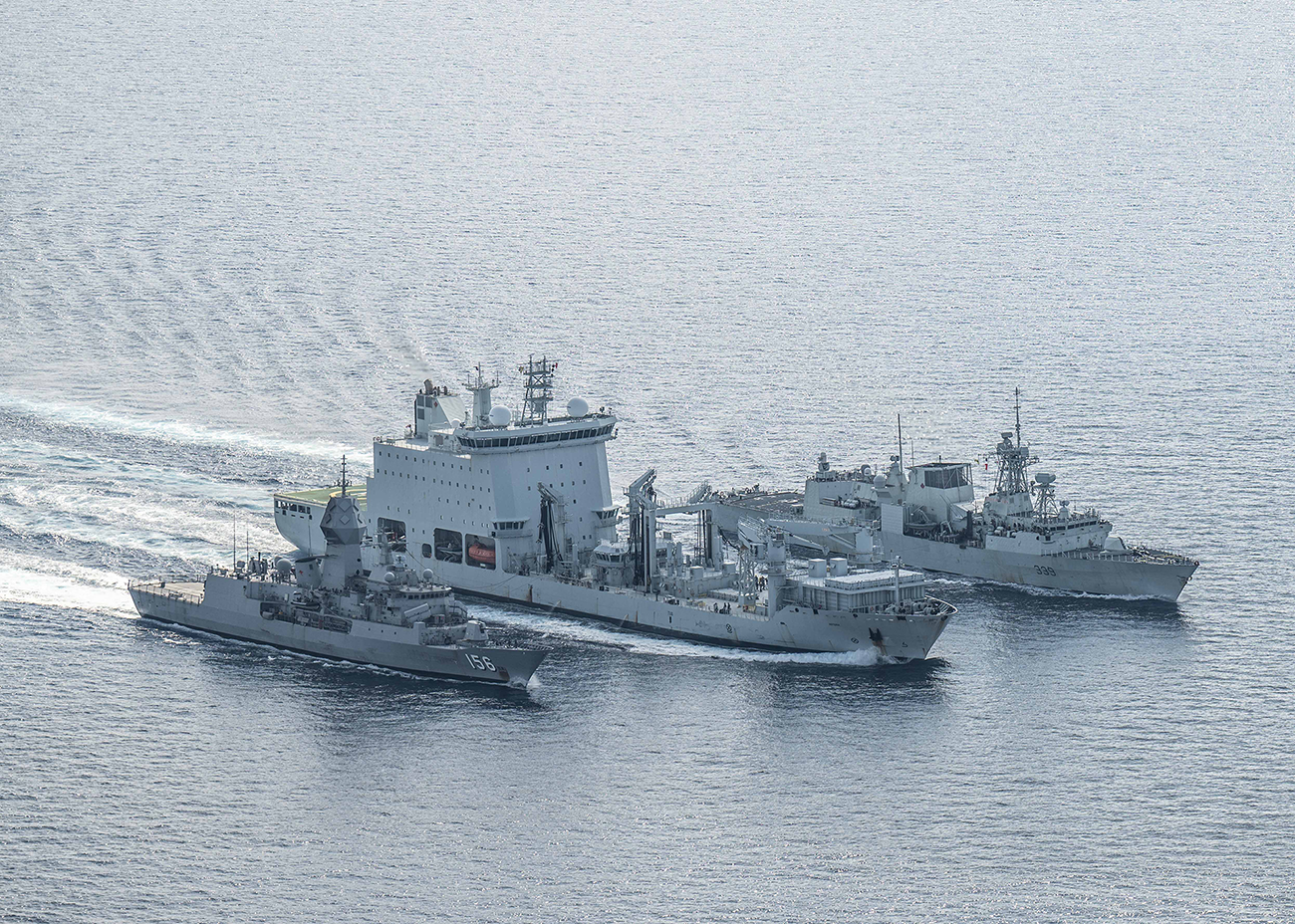
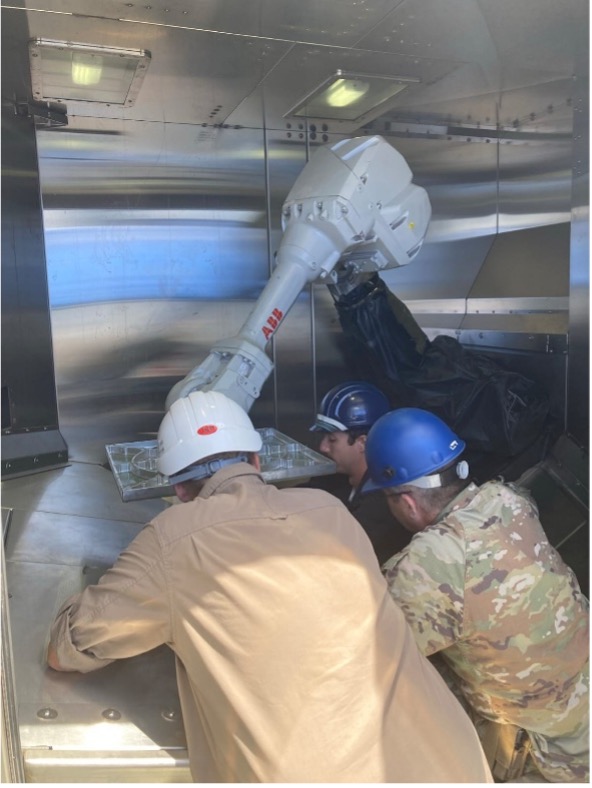
Federal Fleet Services (FFS) and the crew of CSS Asterix helped bring advanced manufacturing to sea during RIMPAC 2026, supporting a Cold Spray Additive Manufacturing (CSAM) feasibility trial led by the Consortium for Advanced Manufacturing Research and Education (CAMRE). The trial gave researchers and industry specialists an opportunity to manufacture replacement components aboard an active replenishment vessel while CSS Asterix continued supporting allied naval operations during RIMPAC 2026.
The Royal Canadian Navy approached FFS in early July 2026 to request the temporary installation of the manufacturing systems aboard Asterix. FFS responded quickly, coordinating the installation arrangements, electrical supplies, workspace access and engineering assistance needed to support the trial.
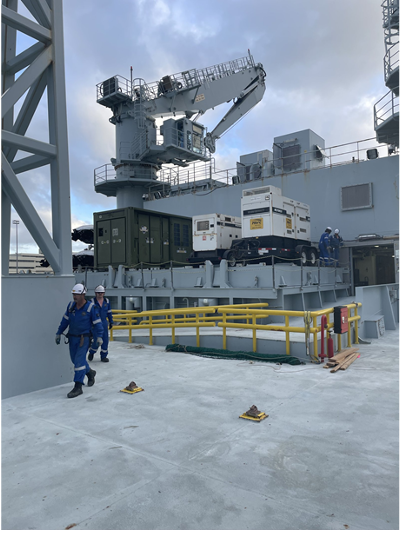
With just 48 hours available during the ship’s scheduled visit to Pearl Harbor, preparation and close coordination were essential. FFS dispatched its Operations Manager ahead of Asterix’s arrival to work with CAMRE and equipment manufacturer SPEE3D. Working closely with the ship’s crew, the team successfully embarked and secured three 20-foot containers housing the manufacturing equipment. Two containers were installed on the forward deck and secured using container lugs, while the third was positioned in the tween-deck workspace.
The crew’s contribution extended well beyond installation. Shipboard personnel connected electrical supplies, supported the embarked team’s logistical needs and provided access to the vessel’s workshops. This practical assistance allowed CAMRE and SPEE3D personnel to conduct their work within the operating routine of a busy replenishment ship.
The trial assessed the potential to manufacture replacement parts in a marine environment and examined how vibration, humidity and ship motion affected the equipment and manufacturing process. It also explored whether CSAM could help address long lead times for replacement parts or limited access to conventional supply chains. Understanding the supporting equipment, specialist skills and finishing requirements was an equally important part of the assessment.
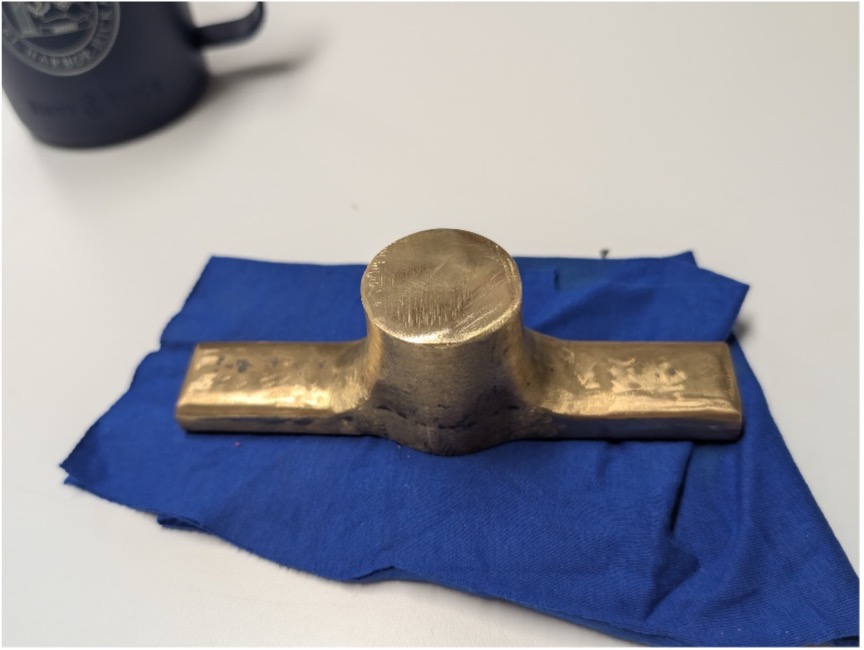
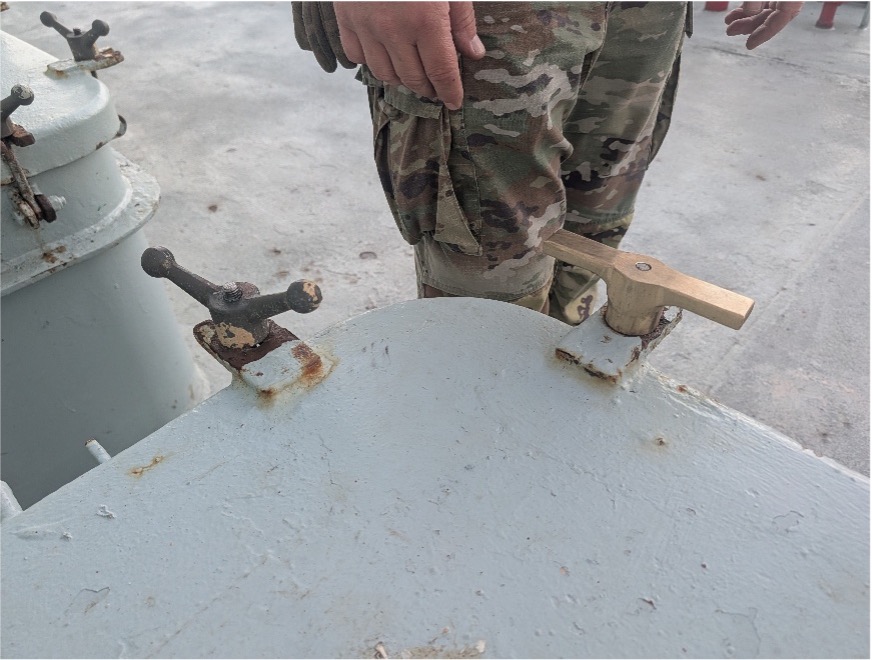
Over approximately three weeks, the embarked team manufactured several components while Asterix delivered fuel and supplies to allied naval vessels participating in RIMPAC. Asterix’s engineering personnel supplied measurements and three-dimensional computer-aided design drawings to support production. Components included electrical box parts, hatch dog handles and parts for the replenishment-at-sea system, which were subsequently used aboard the vessel. The ship’s crew also assisted with machining and finishing components in Asterix’s workshops, connecting the manufacturing trial directly to practical shipboard requirements.
The trial demonstrated that CSAM equipment could operate aboard an active vessel under the marine conditions encountered. It also identified areas requiring further development, including post-processing, conventional machining, material assurance, space requirements, cost and specialist staffing. These findings provide a practical basis for assessing how the technology could support future naval and maritime maintenance.
Through responsive planning, engineering expertise and sustained shipboard support, Federal Fleet Services and the crew of CSS Asterix made a direct contribution to the trial. Their work demonstrated Asterix’s value as a platform for testing emerging technology while continuing to deliver replenishment support to Canadian and allied naval forces.


Federal Fleet provides NATO-compliant combat support capabilities under structured service arrangements to allied governments and naval forces.
Inquiries regarding operational integration and fleet capability may be directed to Federal Fleet corporate offices.
Info@federalfleet.ca
Careers
For Career Opportunities, please email us at:
carrieres@federalfleet.ca