NEWS & ARTICLES
MARITIME INNOVATION | RIMPAC 2026
August 24, 2026
Author: Federal Fleet Services
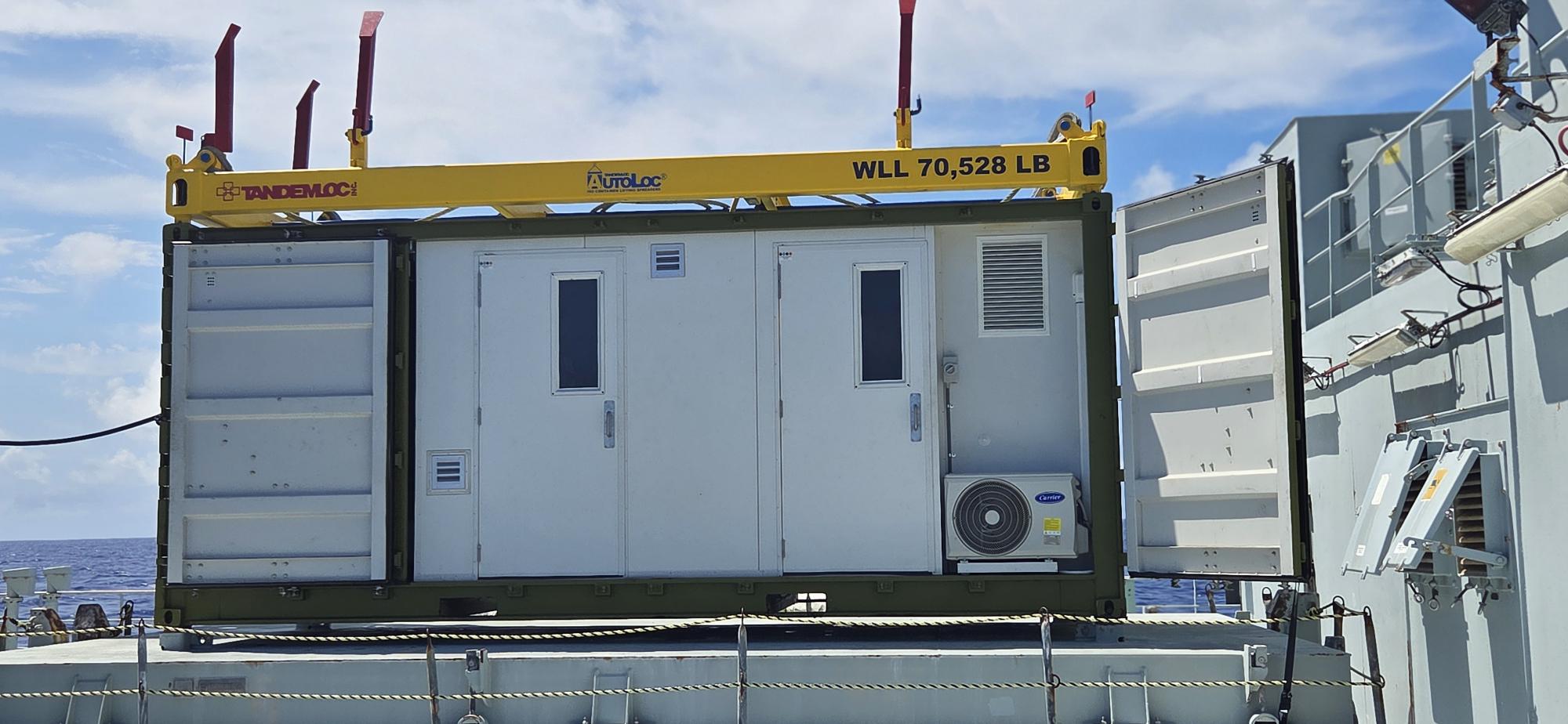
The 3D printer on top of the CSS Asterix Ship on the RIMPAC 2026 Excercise
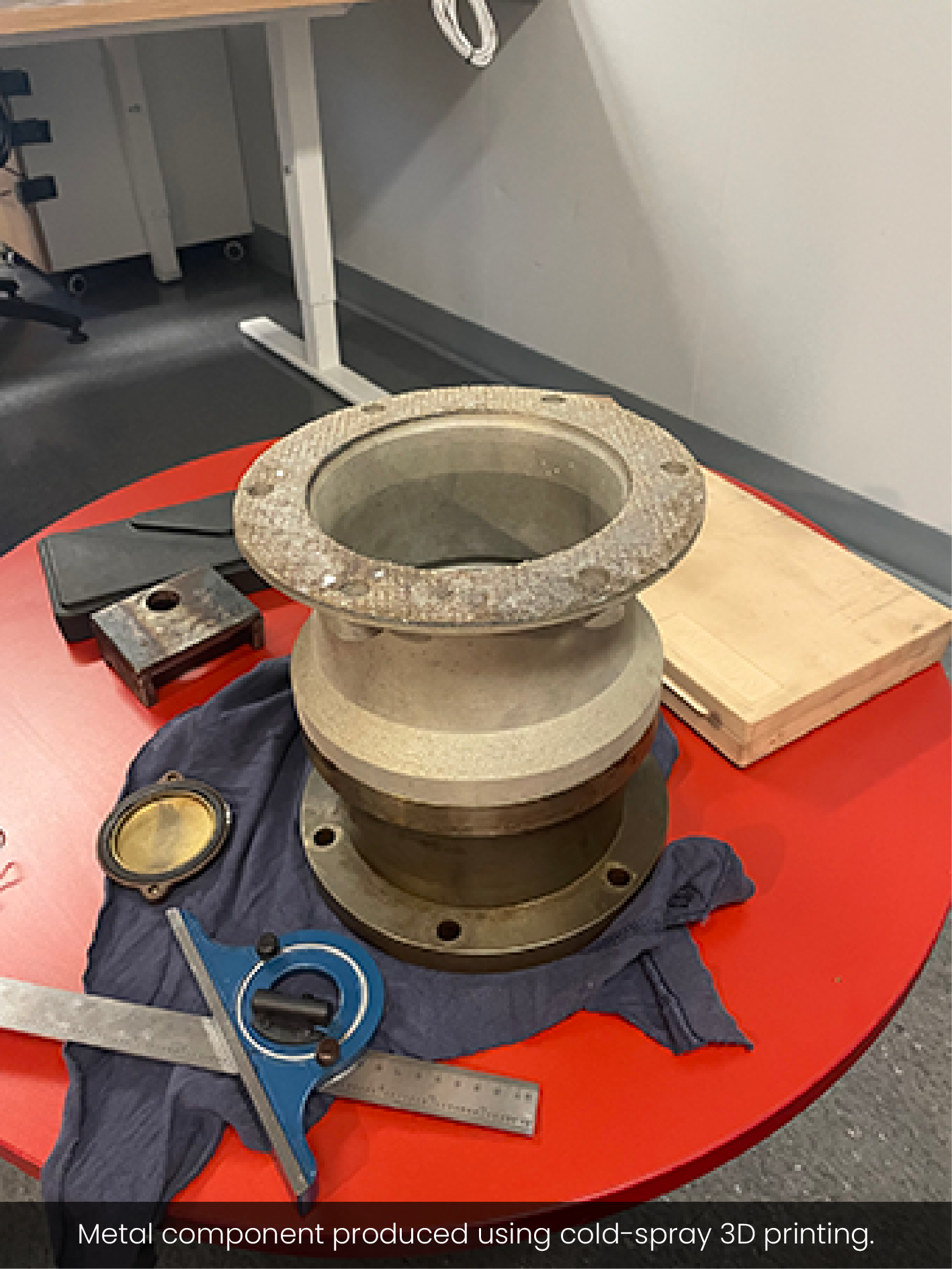
During RIMPAC 2026, CSS Asterix achieved an important milestone in maritime sustainment. A five-person U.S. trial team successfully manufactured, post-processed and installed operational components aboard the ship - the first cold-spray-manufactured parts produced at sea. Parts made specifically for CSS Asterix included electrical junction box covers and a tank cover wing nut.
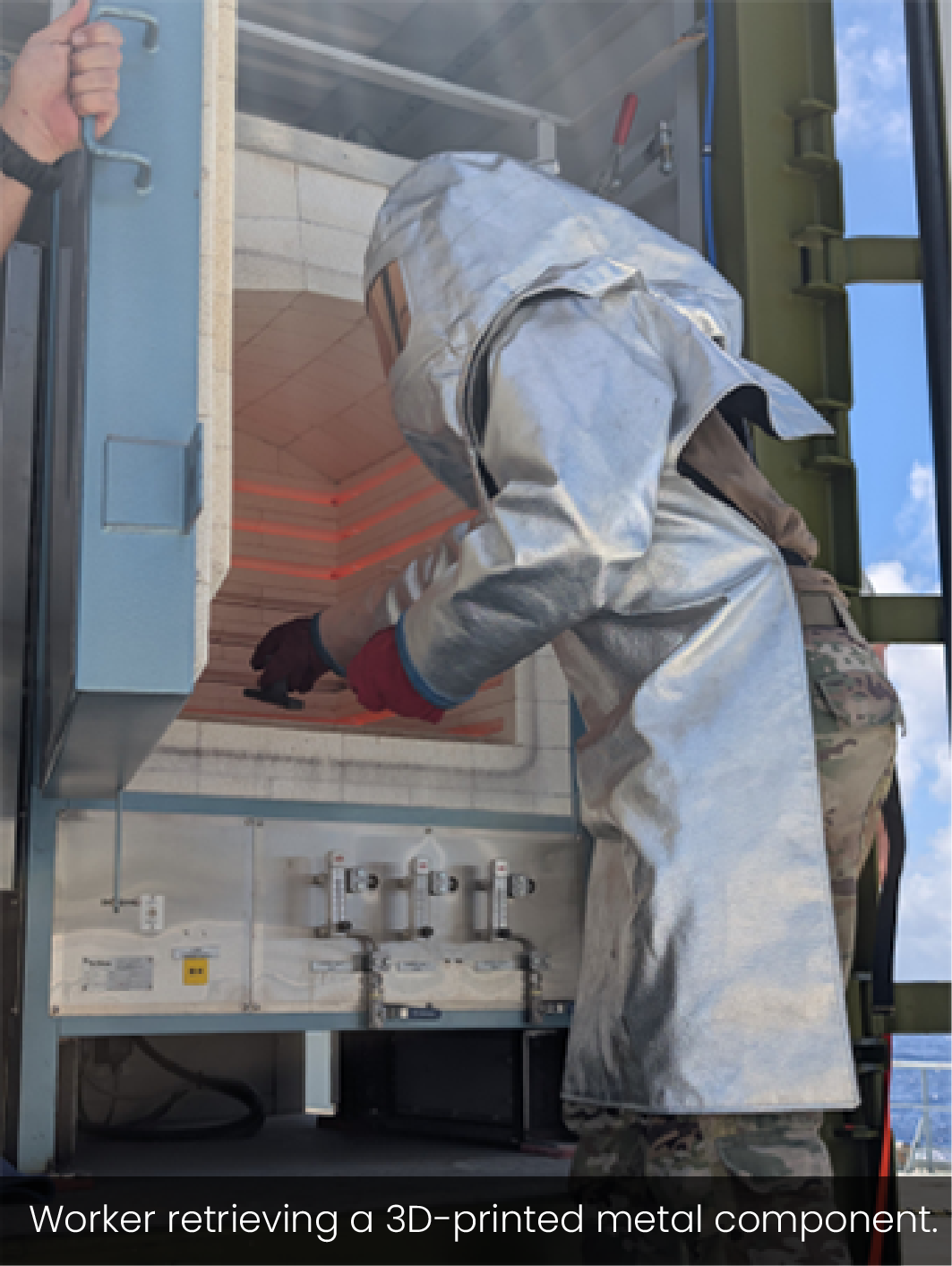
The trial evaluated cold spray additive manufacturing in a fully maritime setting. The deployed capability operated from three 20-foot sea containers: one housed the cold spray printer, a second contained the heat-treating oven and machining equipment for post-processing, and a third converted bar stock into the metal powder used as feedstock. The team comprised three U.S. military personnel and two civilians, including a representative from SPEE3D, the system manufacturer.
RESULT: The system produced, finished and installed operational parts while CSS Asterix was underway, demonstrating an end-to-end point-of-need manufacturing capability at sea.
Machine performance was generally successful, while the shipboard environment revealed practical requirements that differ from shore-based operations:
• Motion: Pitch and roll affected standard calibration. The powder-feeder software was adjusted to bypass a weight sensor, and the robot arm required manual alignment.
• Power: Dedicated generators supplied compatible power. Their use had to be coordinated with ship fueling operations, limiting manufacturing windows.
• Safety: Class D fire extinguishers mitigated the risk associated with powdered metals. Heat treatment required hot-work permits, and generators remained restricted during fueling.
These lessons will help guide maritime-ready equipment, integrated power solutions, motion-tolerant calibration, and safe operating procedures. Applied effectively, point-of-need manufacturing can reduce dependence on distant supply chains, accelerate repairs and strengthen fleet resilience.
Federal Fleet Services and the crew of CSS Asterix are proud to have participated in these innovative trials, which will help advance adaptive parts manufacturing at sea. Federal Fleet personnel provided strong support throughout, including assistance in resolving an electrical issue that affected setup and operation. The ship’s Engineering and Deck departments also supported the U.S. team throughout the deployment, earning its appreciation on multiple occasions. The successful trial demonstrates the operational flexibility and capability of CSS Asterix to serve as a maritime test hub - a practical platform for evaluating and delivering new and emerging innovative solutions for Canada. It is a strong example of how Canadian commercial marine crew expertise, international collaboration and advanced technology can work together to build a more resilient future at sea.
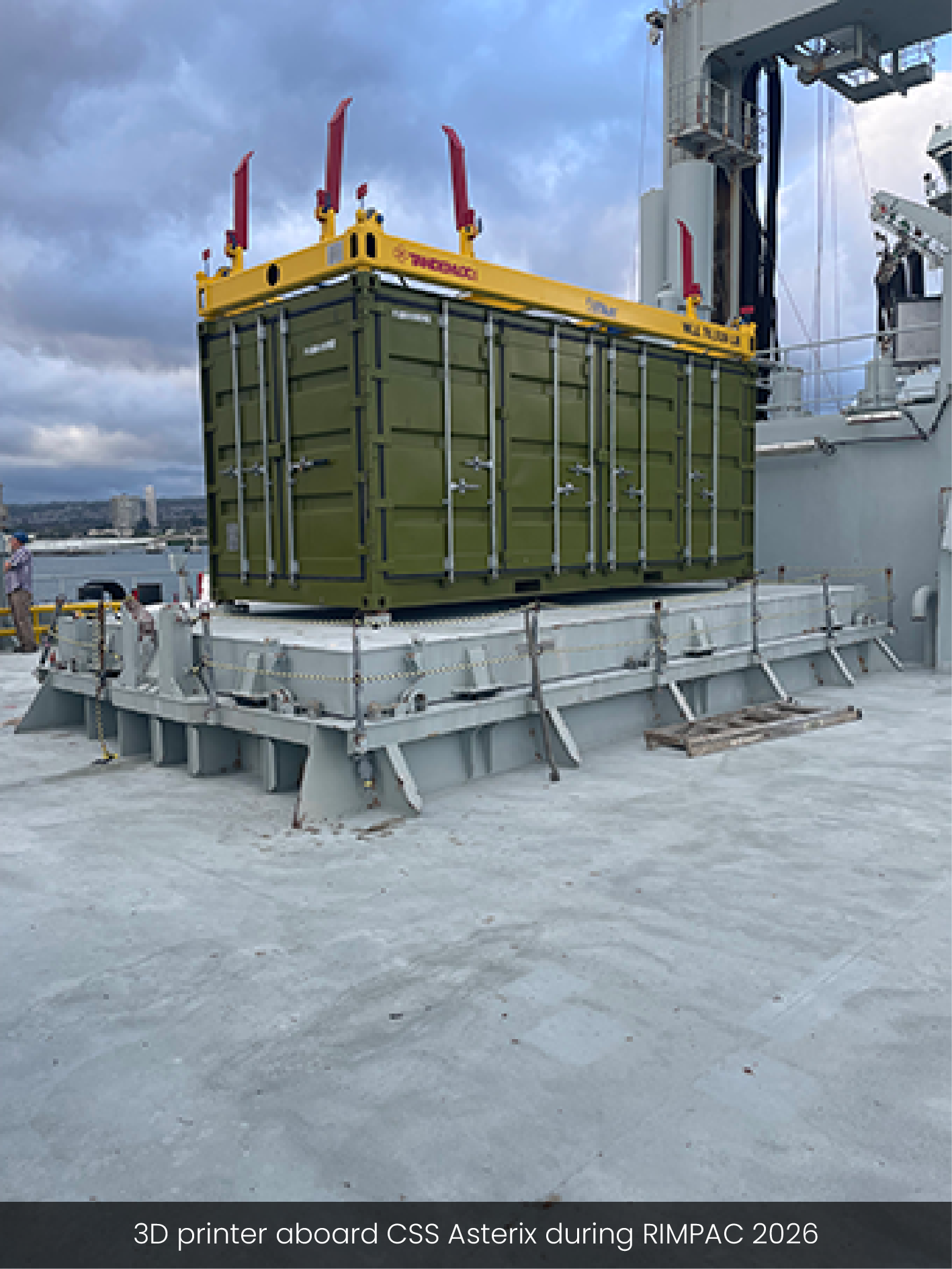
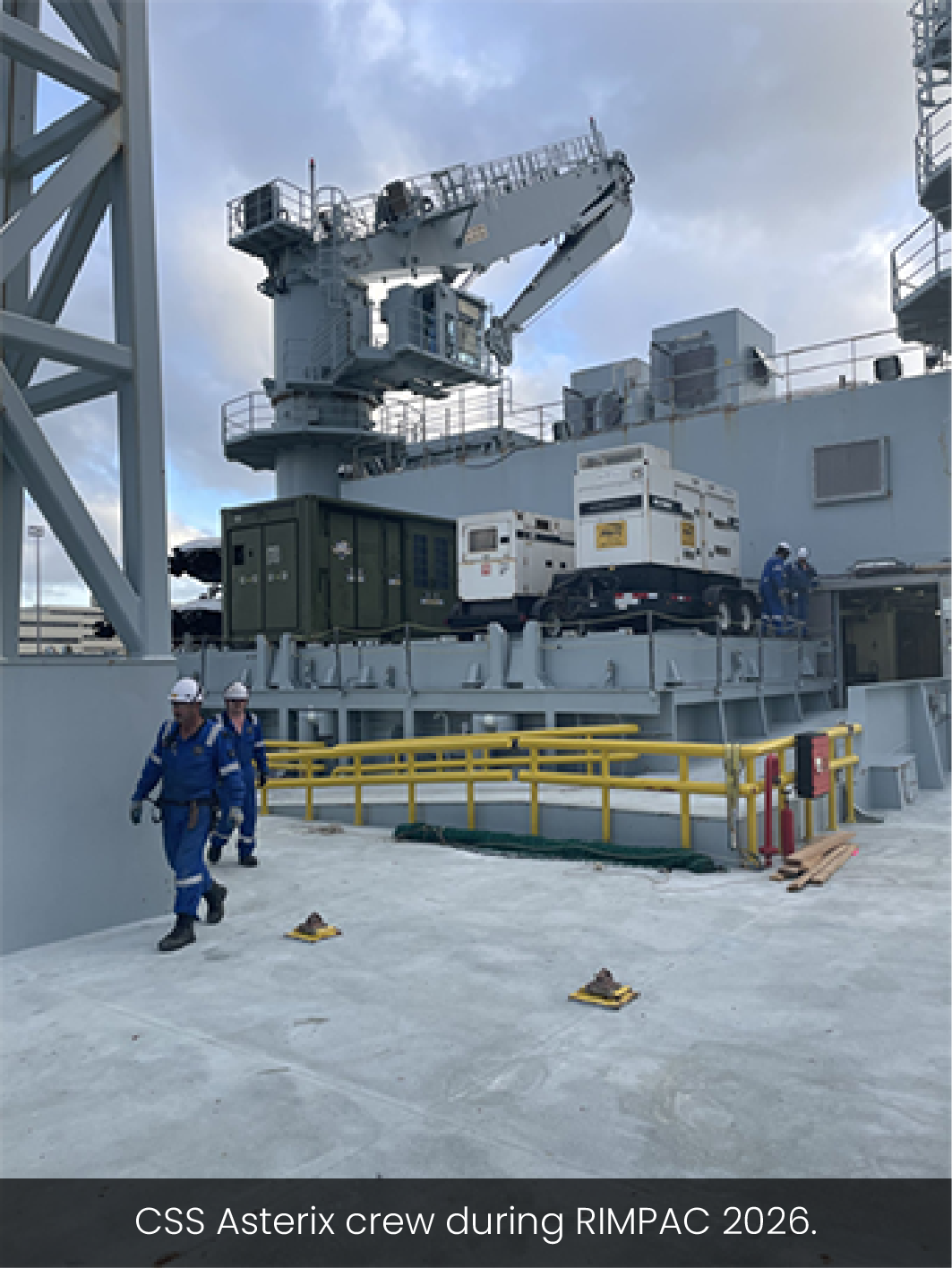
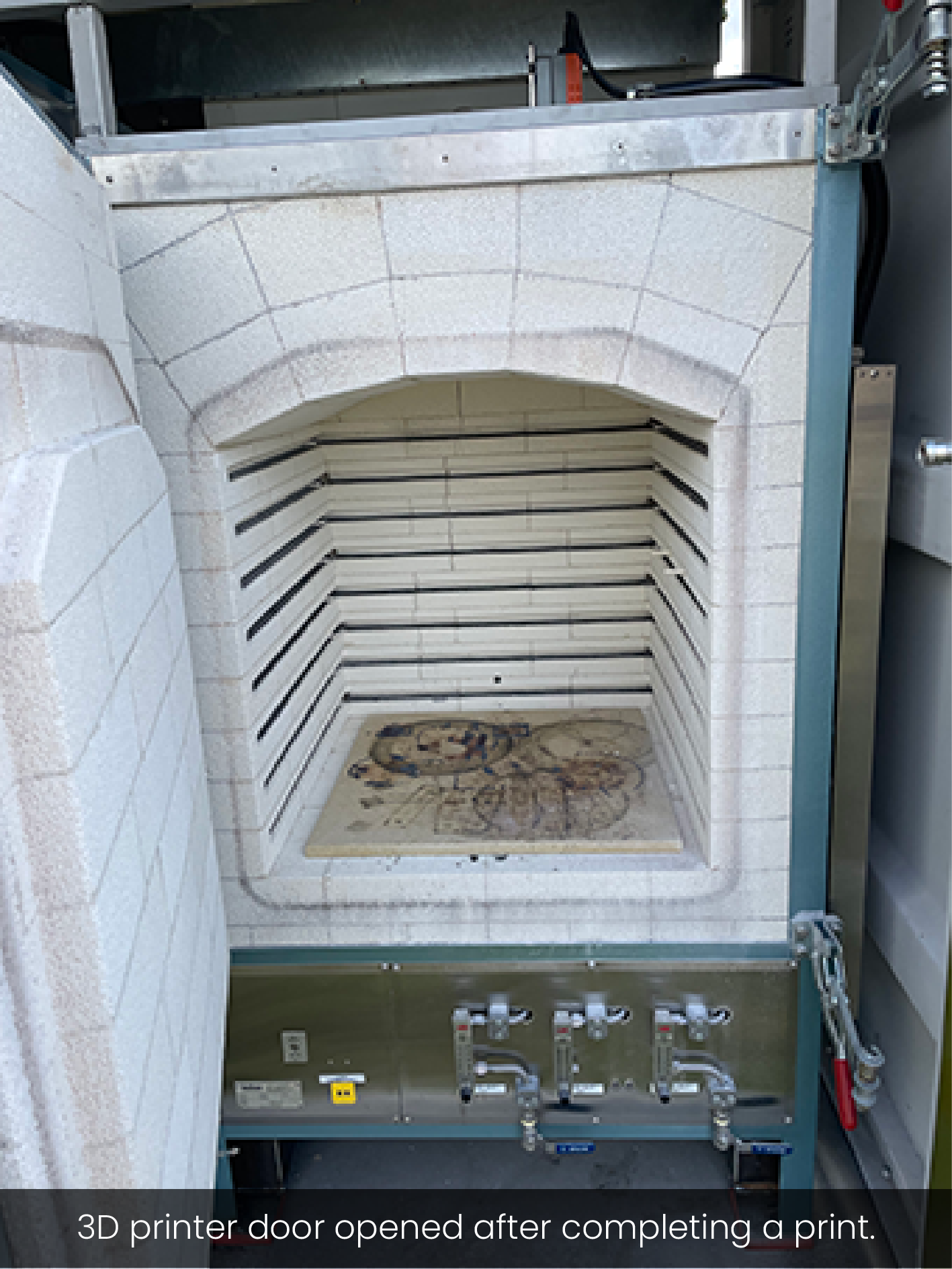


The 3D printer on top of the CSS Asterix Ship on the RIMPAC 2026 Excercise
Federal Fleet provides NATO-compliant combat support capabilities under structured service arrangements to allied governments and naval forces.
Inquiries regarding operational integration and fleet capability may be directed to Federal Fleet corporate offices.
Info@federalfleet.ca
Careers
For Career Opportunities, please email us at:
carrieres@federalfleet.ca